Mastering Browser APIs: Unlock the Full Power of the Modern Web

- Description
- Curriculum
- FAQ
- Reviews
- Grade
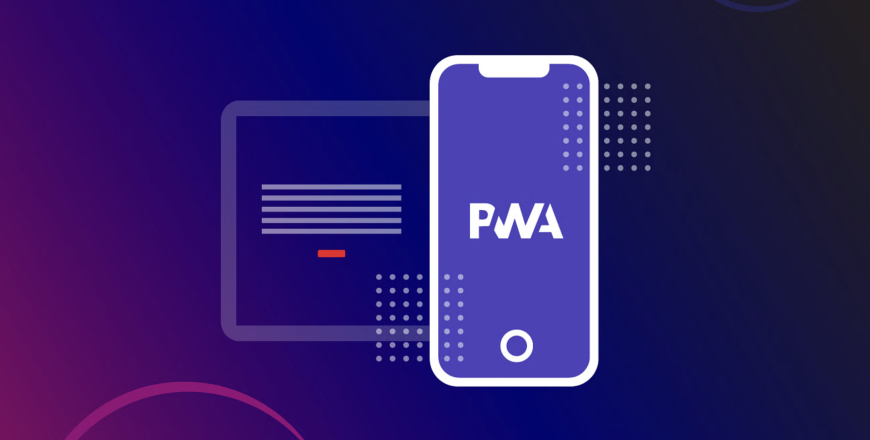
PWA Browser APIs: Unlocking the Full Power of Progressive Web Applications is a comprehensive, hands-on course designed for modern web developers who want to go beyond basic PWA functionality and tap into the advanced capabilities of today’s browsers.
You’ll start with a foundational understanding of Browser APIs, followed by practical implementation of Web Storage and IndexedDB to manage offline and persistent data. From there, the course delves into real-time communication via WebSockets and other protocols, essential for building chat apps, dashboards, or live notifications.
You’ll learn how to use Service Workers not only for caching and offline capabilities but also for background sync and push notifications—empowering your app to behave more like a native experience. We’ll explore the Geolocation API in conjunction with mapping libraries to build location-aware services, and use the Notifications API to increase user engagement.
As you continue, you’ll unlock powerful Device APIs like orientation and motion detection—useful in fitness, gaming, or navigation apps—and securely integrate Web Payments API for streamlined checkout flows. The course concludes with robust strategies for user login using Web Authentication and the Credential Management API, setting the foundation for passwordless and secure experiences.
By the end of the course, you’ll have practical experience using a suite of modern browser APIs that dramatically extend the functionality of your PWAs, all while preserving performance, user privacy, and cross-device compatibility.
-
9
 Introduction to Service Workers
Register and activate a service worker to intercept network requests.
-
10
Offline Strategies with Cache API
Cache-first and network-first strategies using Workbox or custom logic.
-
11
Background Sync and Push Notifications
Queue actions and sync them later; receive push messages from a server.
-
15
Using the Notifications API
Request permission, show persistent and dynamic notifications.
-
16
Interaction and Notification Events
Handle clicks and close events, and link them to app navigation.
-
17
Combining with Push and Service Workers
Create background push notifications that display even when app is closed.
-
21
Introduction to the Payments API
Use
PaymentRequestto create native payment flows. -
22
Supporting Apple Pay, Google Pay, and Credit Cards
How browsers and platforms implement different payment handlers.
-
23
Handling Responses and Payment Validation
Process results and provide user feedback securely.
-
24
The Credential Management API
Handle password autofill, federated logins, and silent sign-ins.
-
25
WebAuthn (Optional Intro)
Understand the basics of passwordless authentication and biometrics.
-
26
Secure Session Management Strategies
Combine tokens, service workers, and credential storage securely.
-
27
 Build a Real-World PWA: "Smart Events Web App"



-
Introduction to Browser APIs for modern web apps
-
Web Storage & IndexedDB for offline and persistent data
-
Real-time communication (WebSockets, Server-Sent Events)
-
Service Workers: caching, sync, and background tasks
-
Notifications, Geolocation, and interactive maps
-
Device motion and orientation detection
-
Integrating the Web Payments API
-
Secure authentication with WebAuthn and Credential Manager
Basic familiarity with Progressive Web Applications is recommended, but the course begins with a quick refresher and builds up to advanced topics. You should be comfortable with HTML, CSS, and JavaScript.
-
Frontend developers building feature-rich, modern PWAs
-
JavaScript developers interested in native-like web experiences
-
Teams moving toward secure, installable web applications